

Why Easter's Date Moves: Astronomy, Paschal Moon, and Sacred Symbolism
The Non-Astrological Significance of Easter's Date Calculation

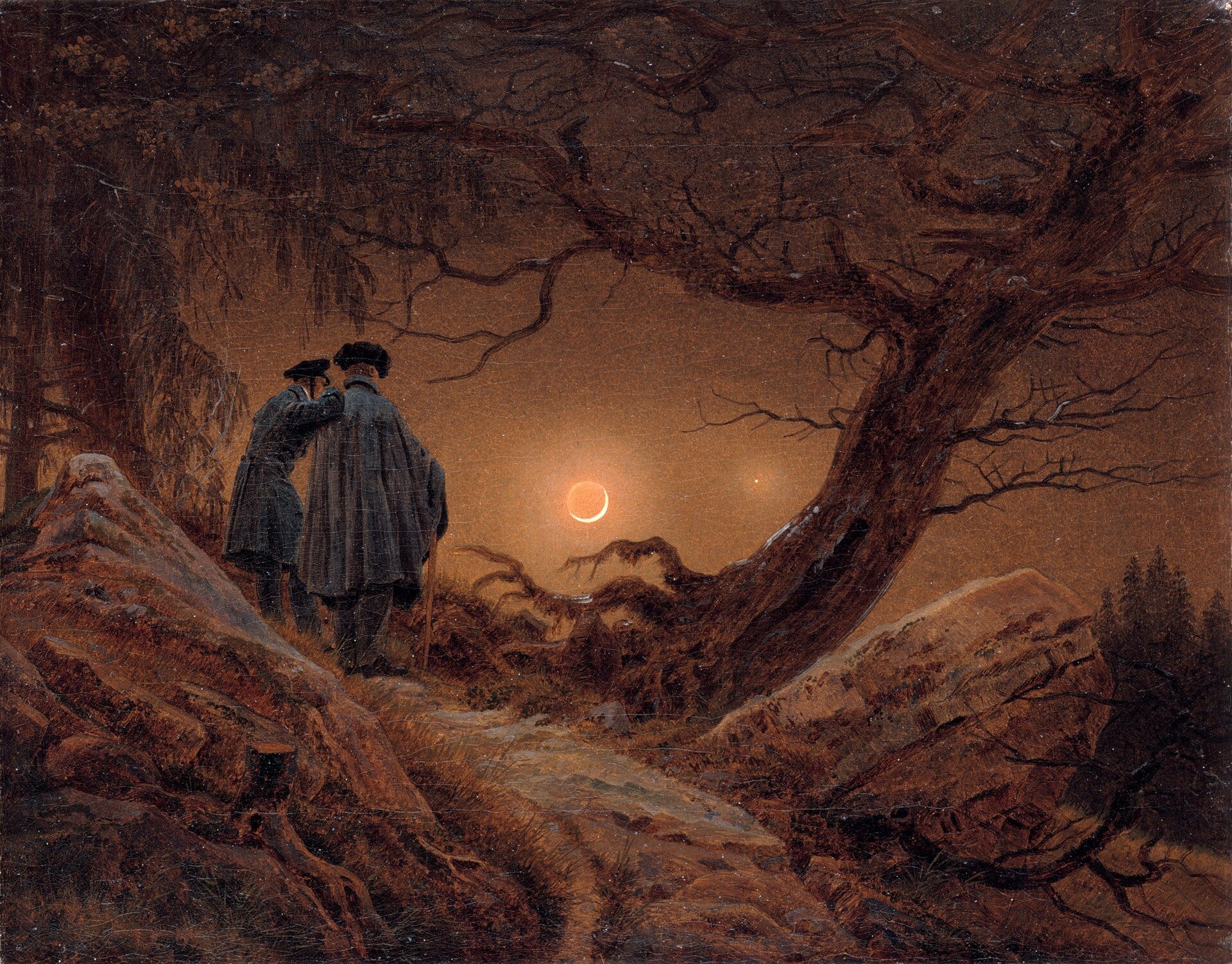
Against the relativistic and neo-modernist mentality, the Church has never worked with transitional or volatile categories. Reflecting the perfection of the absolute divine intellect and the eternity of the everlasting life we are called to, dogmas are and will always remain the same. While their understanding may deepen, there will never be any discontinuity between what our Lord, Jesus Christ, taught two thousand years ago and what His Church teaches today. Likewise, we can be confident that those same teachings will be passed on until the end of the world.
The same applies to God’s moral laws and the behavior fitting them—they will always remain the same. The principles of modesty in dress, for instance, will never change—no matter how many fashion trends pass through the stormy history of our fallen world. Concretely, what the Church proposes—whether dogmatically, morally, or liturgically—is a foretaste of the immutability and eternity of the beatific vision, where all will be forever fixed under the influence of the Good (while Evil, of course, will be completely and definitively excluded).
The Liturgical Calendar and Eternity
As for the liturgical dimension of Church life, it reflects eternity through the repetitive—“circular,” we might say—nature of the religious feasts. Among these, the Feast of the Resurrection, closely tied to Pentecost, is without a doubt the most important. For over two thousand years, it has offered us the chance to reflect upon and take part in both the Passion and Crucifixion of our Savior Jesus Christ and the mystery of His glorious Resurrection from the dead. It is no coincidence, then, that the determination of the date of Easter has always been one of the most important ecclesial matters discussed.
This issue was so significant that the German historian Karl Joseph Hefele (1809–1893) dedicated an entire section of his monumental work Conciliengeschichte (A History of the Councils of the Church, 1855–1856) to its exposition.1 What I want to highlight in this article is the final conclusion of this long debate, which was only reached at the First Council of Nicaea in 325 AD. As is well known from the famous formula “Paschal Full Moon,” the date of Easter—unlike Christmas, which is fixed—is determined based on specific astronomical events as follows:
Easter is to be celebrated on the first Sunday after the Paschal full moon after the vernal equinox.

